Digital Assets
Digital Gold: One Token, One Ounce, a Physical Foundation
Explore a digital-gold model where one token represents one one-ounce gold coin, combining digital transfers with physical backing and defined redemption.
On this page

Gold is tangible. Digital tokens are easy to record, divide and transfer through compatible systems. A digital-gold product can bring those qualities together: keep the physical metal in custody and let its digital representation move between holders.
Consider a simple model: one token represents one gold coin containing one troy ounce of fine gold. A whole token corresponds to a whole coin under the product's ownership and redemption terms. Fractional tokens represent the corresponding fractional entitlement.
The coin is the physical foundation. The token is the digital unit used to record and transfer the defined entitlement. Connecting the two requires a reliable reserve, clear holder rights and a process for turning tokens back into physical gold.
This article explores that product design. It does not announce a live Bastion-issued token or an existing gold reserve.
Start with a precise unit
Gold uses the troy ounce, not the everyday ounce used for many other goods. The Royal Mint explains that one troy ounce is approximately 31.1035 grams.
Specify the fine-gold content, eligible coin types and purity requirements. Gross coin weight and fine-gold content are not necessarily the same when a coin contains an alloy. A product promising one ounce of gold should make clear which quantity it is representing.
The one-to-one relationship is a unit of gold entitlement, not a promise that a token is worth one dollar or another fixed currency amount. Its fiat value depends on the gold price, the coin and product terms, available liquidity and transaction costs.
If the reserve contains several eligible coin types, explain whether a holder can choose a type at redemption or receives an equivalent eligible coin. A specific collectible coin and a standard bullion entitlement are different products, even when both contain an ounce of gold.
Combine physical backing with digital convenience
The attraction is practical. Physical coins do not need to be shipped every time a holder transfers an entitlement. A supported token can move through compatible wallets and platforms, while the reserve remains with the custodian.
Divisibility can make smaller holdings possible. In the proposed model, 0.1 token represents one tenth of a coin's defined gold entitlement. The physical coin remains intact; the records allocate the corresponding interest rather than cutting the coin into pieces.
| Physical gold contributes | The digital representation can contribute |
|---|---|
| A defined quantity and quality of metal. | A transferable unit with a traceable transaction history. |
| Physical custody and inventory that can be inspected. | Fractional holdings without moving individual coins for every transfer. |
| A possible route to physical possession through redemption. | Integration with supported customer accounts and digital-asset workflows. |
Those benefits depend on implementation. Network fees and confirmation times still apply. A transferable token is not automatically accepted by every wallet or exchange, and an always-available network does not make the vault or redemption service operate around the clock.
Gold backing also does not eliminate changes in value. The design combines a physical asset with digital transfer capabilities; it does not turn gold into a fixed-price cash balance.
Define what the holder actually owns
A token needs a clearly described relationship to the reserve. Does the holder have an ownership interest in a pool of eligible coins, title to an identified coin or a contractual claim against an issuer? Who must honour a redemption request?
These are substantive product choices. A blockchain balance alone cannot establish that a coin exists or determine the holder's rights to it.
The LBMA explanation of precious-metal clearing distinguishes allocated holdings of specific metal from an unallocated entitlement. The wider lesson for a coin-backed token is to state the relationship explicitly rather than treating every form of backing as equivalent.
For a fungible token, the example in this article uses an entitlement to eligible coins from a defined reserve. The terms would need to explain how that reserve is held, how holders' interests are recorded and how the arrangement works if the issuer or custodian cannot continue operating. Those matters need review for the actual product and jurisdiction.
Issue tokens only against verified reserve
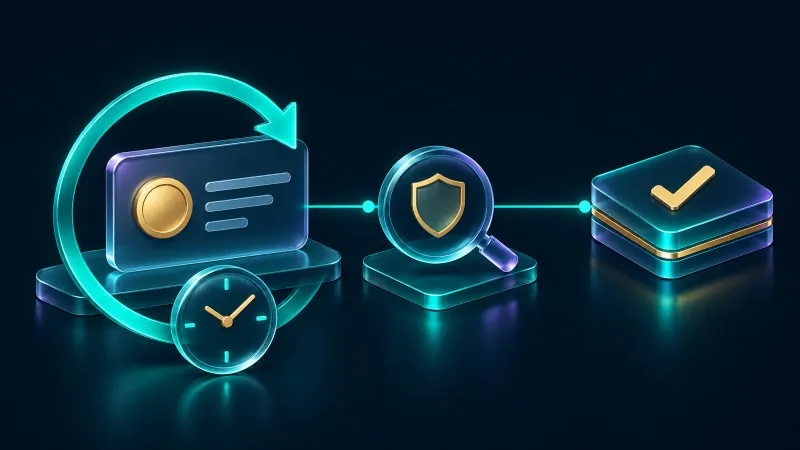
The central control is straightforward to state: the redeemable tokens issued under this model should not exceed the eligible coins held for them. The operating processes must make that statement demonstrable.
An illustrative reserve contains 100 eligible one-ounce coins. After receipt and verification, the issuer creates 100 tokens. A transfer of 0.25 token between holders changes their recorded interests, not the number of coins in the vault or the total token supply.
If a holder redeems two tokens for two coins, the process removes those tokens from circulation under the agreed burn procedure and releases the corresponding coins. After completion, the model has 98 coins backing 98 tokens.
Pending redemptions need explicit treatment. A coin committed for release must not also be used to support new issuance. Failed or cancelled redemptions must restore a consistent position without creating another claim on the same reserve.
The same protection is needed if the product later supports several networks. Wrapped or bridged representations must not be counted as additional independently backed gold. A design should track the complete liability represented across its supported forms.
Make the reserve verifiable beyond the chain
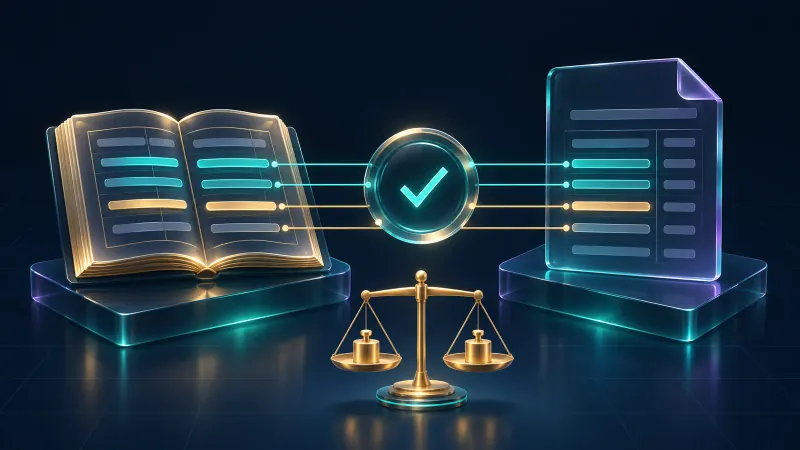
A token contract can make supply and transfers observable. It cannot inspect a vault. A reserve report can describe physical inventory, but it must also relate that inventory to outstanding token obligations.
Useful evidence identifies the custodian, the eligible inventory, the reporting cutoff, any restrictions on the metal and the token supply being compared. The verification process should address whether the same inventory supports another obligation.
Explain the scope of any independent inspection or assurance. A dated inventory check is not continuous proof of every subsequent change. Publish the relationship between the physical records, minting and burning activity, and unresolved differences.
Customers should also understand storage charges, insurance arrangements and any limitations. These costs and responsibilities belong in the product model because they affect the value and usefulness of the entitlement.
Design redemption as a complete customer journey
For the whole-coin model, a natural physical redemption unit is one full token for one eligible coin. Smaller holders may need to accumulate a full unit or use a separately defined sale or exchange route. Do not imply that a fractional holding guarantees delivery of a fractional coin.
Before a customer commits, show the eligibility conditions, minimum quantity, fees, delivery or collection options and expected processing steps. Identify who fulfils the request and what happens if delivery cannot proceed.
The application should connect the token surrender, approval, physical release and delivery evidence under one reference. Distinguish a request received from a coin released and a shipment delivered.
Keeping the relationship understandable is what makes the idea useful. The customer can hold and transfer smaller digital units while retaining a defined path back to physical gold, rather than relying only on a name or image of a coin.
Bastion platform capabilities
How Bastion fits the software discussion
Bastion's Crypto, Core Banking & Ledger and Bank Operations, Reporting & Audit modules provide relevant areas to assess for digital balances, transaction processing and operational records.
A gold-backed product would also need separately scoped token issuance, reserve and custodian integration, holder terms and a physical redemption operation. Those are requirements to design and verify with the responsible organisations, not capabilities established merely by displaying a gold balance.
Discuss a digital-gold platform concept around one clear relationship: a defined token entitlement, an identified physical reserve and an explainable route between the two.